
china clear float glass
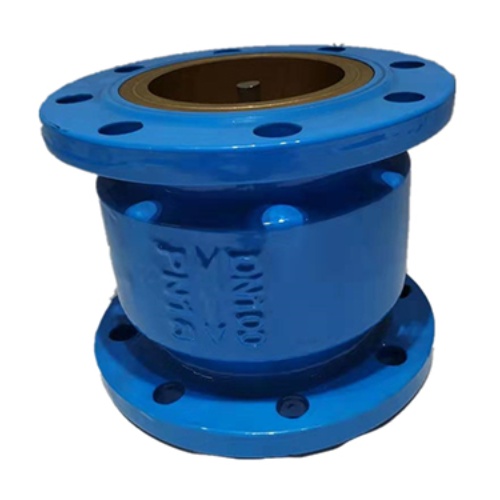
Introduction to Hydraulic Check Valves In modern hydraulic systems, check valve types play a critical role in ensuring fluid flow control and system efficiency. Among these, the slow closing check valve stands out for its innovative design and superior performance. This article explores the features, advantages, technical specifications, and application scenarios of the 300X slow-closing muffler check valve , manufactured by Storaen (Cangzhou) International Trading Co. , a company renowned for its expertise in hydraulic solutions. Product Overview The 300X slow-closing muffler check valve is engineered to address the challenges of fluid dynamics in complex systems. Its novel structure ensures a good sealing effect , minimizing leakage and enhancing operational safety. This valve is designed to control the speed of opening or closing the main valve , allowing for precise adjustments to optimize performance under varying conditions. The low resistance and large flow capacity make it ideal for high-demand applications, while its long service life reduces maintenance costs and downtime. Key Features and Advantages 1. Advanced Sealing Technology The 300X slow-closing muffler check valve employs a novel structure that ensures a good sealing effect . This design minimizes the risk of fluid leakage, which is critical in high-pressure environments. According to the National Institute of Standards and Technology (NIST) , "Precision in sealing is essential for maintaining system integrity and preventing operational failures" (NIST, 2023). 2. Adjustable Flow Control One of the standout features of this valve is its ability to control the speed of opening or closing the main valve . This adjustability allows operators to tailor the valve's performance to specific site conditions, ensuring optimal efficiency. The adjustable mechanism is particularly beneficial in systems where sudden pressure changes could cause damage. 3. Low Resistance and High Flow Capacity The low resistance and large flow capacity of the valve ensure minimal energy loss and maximum throughput. This is crucial in applications such as water treatment plants and industrial pipelines, where maintaining flow efficiency is paramount. 4. Durability and Longevity Constructed with high-quality materials, the 300X slow-closing muffler check valve is built to withstand harsh operating conditions. Its long service life reduces the need for frequent replacements, making it a cost-effective solution for industries that rely on continuous operation. Technical Specifications Parameter Specification Model 300X Slow-Closing Muffler Check Valve Flow Rate Up to 1000 GPM Pressure Rating 150 psi Materials Stainless Steel, Brass Sealing Mechanism Double-Acting Piston Adjustment Range 0.5-5 seconds Operating Temperature -20°C to 80°C Application Scenarios The 300X slow-closing muffler check valve is versatile and suitable for a wide range of applications. Some of the key scenarios include: Water Treatment Plants: The valve's low resistance and large flow capacity make it ideal for managing water flow in treatment facilities. Industrial Pipelines: Its adjustable mechanism ensures precise control in complex pipeline systems, preventing pressure surges and equipment damage. HVAC Systems: The good sealing effect and long service life make it a reliable choice for heating, ventilation, and air conditioning systems. Oil and Gas Industry: The valve's durability and high-pressure resistance make it suitable for use in pipelines and processing plants. Company Background: Storaen (Cangzhou) International Trading Co. Storaen (Cangzhou) International Trading Co. is a leading manufacturer and supplier of hydraulic components, with a strong focus on innovation and quality. The company has established itself as a trusted partner for industries worldwide, providing reliable solutions that meet the highest standards of performance and durability. With a commitment to hydraulic check valve types and hydraulic check valve types applications, Storaen continues to drive advancements in hydraulic technology. According to NIST , "Companies like Storaen play a vital role in advancing hydraulic systems by integrating cutting-edge research and development into their products" (NIST, 2023). This dedication to innovation ensures that Storaen's products remain at the forefront of the industry. Conclusion The 300X slow-closing muffler check valve by Storaen (Cangzhou) International Trading Co. exemplifies the synergy between advanced engineering and practical application. Its novel structure , good sealing effect , and long service life make it a preferred choice for industries requiring reliable fluid control. As highlighted by NIST , the integration of such technologies is essential for the continued advancement of hydraulic systems, ensuring safety, efficiency, and sustainability in modern engineering.
about
china clear float glass
Replacing Water Cut-Off Valves A Comprehensive Guide Water cut-off valves, also known as shut-off valves, play a crucial role in plumbing systems. They are designed to stop the flow of water in pipes, allowing homeowners and plumbers to perform repairs or maintenance without flooding the area. Over time, these valves can corrode, become damaged, or malfunction, necessitating their replacement. Understanding the process of replacing water cut-off valves is essential for anyone interested in home maintenance or plumbing. 1. Understanding Water Cut-Off Valves Water cut-off valves can be found in various types, including ball valves, gate valves, and globe valves. Each type functions differently, but their primary purpose remains the same to regulate water flow. Ball valves are popular due to their durability and ease of use, featuring a spherical closure element that allows for quick on/off operation. Gate valves are better suited for applications where a full flow is essential, while globe valves are often used for throttling flow. 2. Safety First Before you begin the replacement process, safety should be your top priority. Start by shutting off the main water supply to your home. It is also advisable to drain the pipes to prevent any residual water from leaking out during the replacement process. You may want to place towels or a bucket beneath the valve area to catch any leftover water. 3. Gather Your Tools To replace a water cut-off valve, you will need several tools, including - Pipe wrench or adjustable wrench - Hacksaw (if cutting is necessary) - Teflon tape or pipe joint compound - Replacement valve - Bucket or towels for cleanup Make sure you have all these tools at hand before starting the process. replacing water cut off valves 4. Remove the Old Valve Begin the removal process by loosening the nuts or screws holding the valve in place. Depending on the valve's condition, you might need to use a pipe wrench to apply more torque. If the old valve is rusted or corroded, take care not to damage the surrounding pipes. If you encounter a stubborn valve, cutting the pipe section with a hacksaw may be necessary. Remember to cut straight to ensure a proper fit for the replacement valve. 5. Install the New Valve Once the old valve is removed, it is time to install the new one. Start by applying Teflon tape or pipe joint compound to the threads of the new valve to ensure a watertight seal. Then, position the new valve in place, tightening it securely with your wrench. Be careful not to overtighten, as this can lead to damage or future leaks. 6. Test for Leaks With the new valve installed, it’s time to turn the main water supply back on. Gradually open the new valve to check if it operates smoothly. Observe the area around the valve for any signs of leaks. If you notice water seeping out, you may need to tighten the connections a bit more or reapply Teflon tape if necessary. 7. Final Steps After you’ve confirmed that everything is functioning correctly and there are no leaks, clean up the area and dispose of the old valve responsibly. Double-check that all tools are accounted for and ensure you have restored the workspace to its original condition. Conclusion Replacing water cut-off valves may seem daunting at first, but with the right tools, safety precautions, and attention to detail, it can be a manageable DIY project. Whether you’re dealing with a leaky valve or simply conducting routine maintenance, knowing how to replace these valves is a valuable skill for any homeowner. Always remember to consult a professional plumber if you encounter any challenges that exceed your comfort level. With proper care and timely replacements, you can ensure that your plumbing system functions efficiently and effectively.
-

High quality industrial productsagement

High quality industrial products
View Details -

Meet the diverse needs of customers

Meet the diverse needs of customers
View Details -

Strict quality control

Strict quality control
View Details -

Top raw materials

Top raw materials
View Details -

Trusted supplier

Trusted supplier
View Details
Our application
news and information
Water Flow Control Through Main Valve Systems for Efficient Management
Understanding Main Valve Water Systems A Comprehensive Analysis In the realm of fluid dynamics and w
Versatile Clamping Solutions for Welding Tables and Projects
The Importance of Welding Table Clamps in Metal Fabrication Welding is an essential process in metal
Versatile Welding Table for On-the-Go Fabrication and Efficient Workspace Solutions
The Versatility and Importance of Portable Welding Tables In the world of welding, precision and con
 English